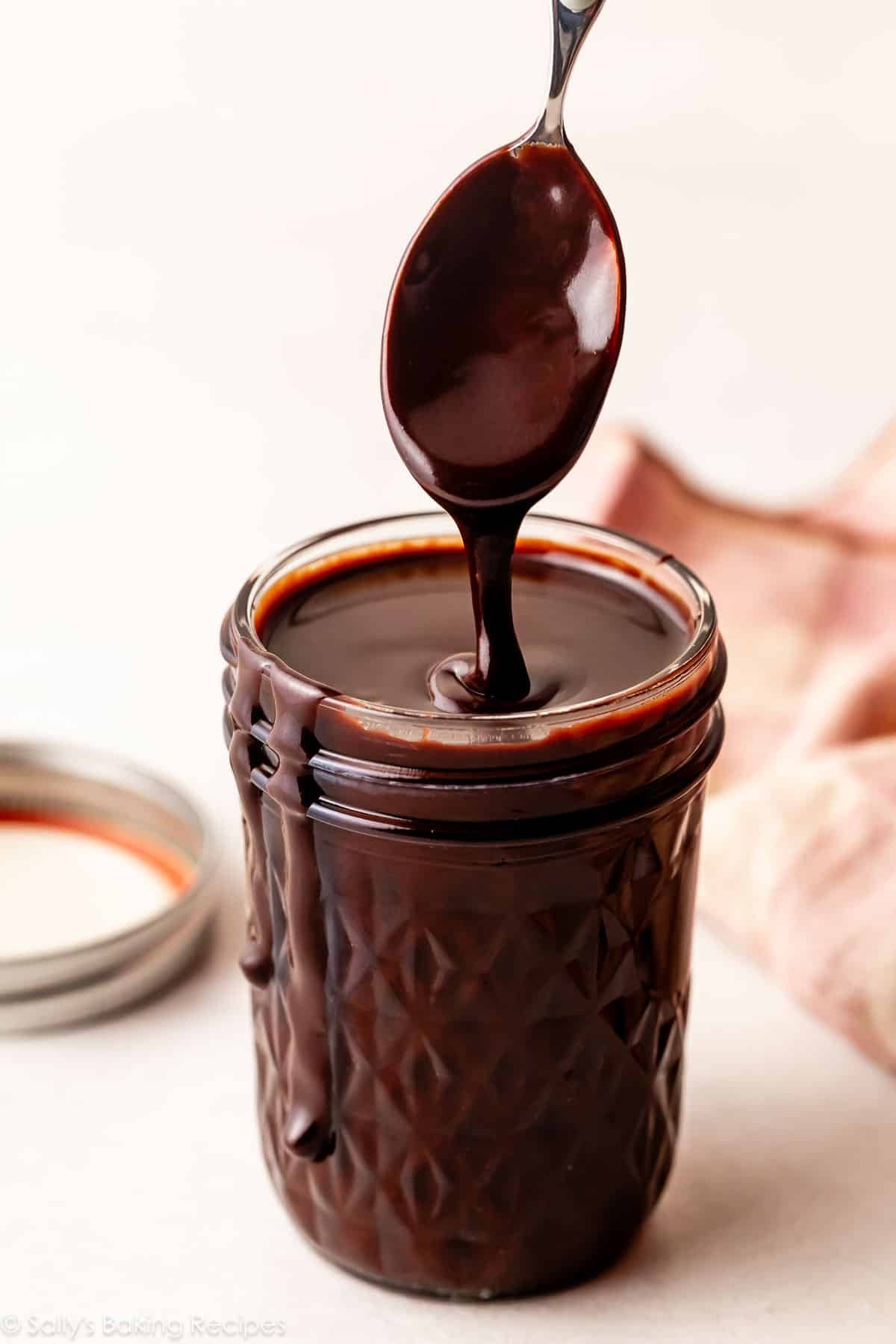
The Allure of Homemade Hot Fudge: Beyond Just Taste
There's an undeniable magic in a spoonful of perfectly crafted hot fudge sauce. It’s more than just a sweet topping; it's a sensory experience – the rich aroma of deep chocolate, the glistening sheen as it cascades over ice cream, and that indescribably silky-smooth texture that coats your palate. While store-bought options are convenient, they often fall short of this luxurious ideal. Homemade hot fudge, however, transcends mere sweetness, offering a depth of flavor and a superior mouthfeel that store-bought versions simply can't replicate. Imagine a sauce that is not only intensely chocolatey but also thick, gooey, and boasts a caramel-like consistency, yet remains fluid enough to drizzle beautifully. This isn't just wishful thinking; it's the signature of expertly made homemade hot fudge. And the best part? Achieving this culinary marvel is surprisingly simple, often taking just minutes on the stovetop. It transforms ordinary desserts into extraordinary indulgences, impressing both young and old with its restaurant-quality richness and irresistible texture.Unpacking the Ingredients: The Architects of Texture
The secret to that coveted silky smooth hot fudge lies in understanding the role each ingredient plays. It’s a delicate balance of fats, sugars, and solids working in harmony to create a truly exceptional dessert topping.Real Chocolate: The Foundation of Flavor and Feel
At the heart of any great hot fudge is, naturally, great chocolate. The quality of your chocolate directly impacts both the flavor profile and the final texture. While some recipes call for chocolate chips, using good-quality baking bars, such as semi-sweet Ghirardelli or high-cacao Guittard chips, makes a noticeable difference. These chocolates typically have a higher cacao percentage and a smoother melting consistency, contributing to a richer, less waxy mouthfeel. Higher fat content in quality chocolate also aids in the overall emulsification and gloss of the sauce.Sugar: Sweetness with a Structural Purpose
Sugar isn't just for sweetness; it plays a critical role in the sauce's body and gloss. Granulated white sugar is common, though some prefer brown sugar for a hint of molasses depth. Crucially, the *amount* of sugar matters. Too much can make the sauce overly sweet and potentially grainy, while too little might compromise its viscosity. Striking the right balance – often around six tablespoons for a standard batch – allows the rich, dark chocolate flavor to shine without being cloying, while still providing the necessary structure for that luscious, syrupy consistency.Heavy Cream & Butter: The Richness Emissaries
These dairy heroes are indispensable for achieving a truly decadent hot fudge. Heavy cream provides the necessary fat and liquid to create a rich, emulsified sauce. Its high fat content contributes to the smoothness and prevents the chocolate from seizing. Butter, added towards the end of the cooking process, further enhances the richness, adds an incredible sheen, and helps create that desirable melt-in-your-mouth quality. It's the finishing touch that elevates the sauce from good to truly gourmet.Cocoa Powder, Salt, and Vanilla: The Flavor Boosters
While not directly dictating the *silky* quality, these ingredients are vital for the *smoothness of flavor*. Cocoa powder deepens the chocolate intensity, adding another layer of complexity. A pinch of salt is crucial for balancing the sweetness and amplifying the chocolate notes, preventing the sauce from tasting flat. Vanilla extract, stirred in at the very end, provides a warm, aromatic finish without cooking off its delicate flavor.The Corn Syrup Conundrum: A Smooth Debate
One of the most intriguing aspects of hot fudge chemistry revolves around the inclusion (or exclusion) of light corn syrup. Our reference contexts present two distinct philosophies on this: one champions its necessity, the other prides itself on omitting it.Why Corn Syrup is Often Included
Light corn syrup is a staple in candymaking for several scientific reasons, all of which benefit hot fudge sauce:- Prevents Crystallization: Corn syrup is an invert sugar, which means it helps prevent other sugars (like granulated sugar) from forming large crystals. This is paramount for achieving a consistently smooth, non-grainy texture in your fudge.
- Enhances Viscosity: Its inherent thickness contributes to the syrupy, gooey consistency that defines hot fudge. It helps the sauce remain soft and pliable even as it cools.
- Adds Gloss: Corn syrup gives the sauce that beautiful, reflective sheen, making it visually irresistible.
The "No Corn Syrup" Approach
Conversely, some excellent hot fudge recipes purposefully omit corn syrup. How do they achieve a silky smooth texture without it? Often, these recipes rely on:- Higher Fat Content: More heavy cream and butter are used to compensate for the absence of corn syrup's thickening and anti-crystallization properties. The increased fat helps create a rich, stable emulsion that feels luxurious.
- Careful Cooking Techniques: Precise temperature control and diligent whisking are even more critical when omitting corn syrup to prevent sugar crystallization.
Crafting Perfection: The Method to the Smoothness
Creating perfect hot fudge from scratch is surprisingly straightforward, relying on simple steps that maximize flavor and texture.The Simplicity of the Stovetop
Whisking Wonders
The initial step involves combining most ingredients – chocolate, sugar, heavy cream, cocoa powder, and salt – in the saucepan. Constant whisking at this stage is crucial. It ensures the chocolate melts evenly without scorching, the sugar dissolves completely, and all ingredients are thoroughly combined into a homogenous mixture. This initial emulsion sets the stage for a lump-free, silky sauce.The Gentle Boil: Thickening and Deepening
Allowing the mixture to come to a gentle boil for a few minutes is where the magic of thickening happens. This process reduces the water content, concentrating the sugars and chocolate solids, and slightly caramelizing the sugars, which deepens the flavor profile. It transforms a liquid chocolate mixture into that desirable thick, gooey, caramel-like consistency.The Final Touches: Butter and Vanilla
The butter and vanilla extract are stirred in right at the very end, *after* the boiling step. This timing is deliberate:- Vanilla: Adding vanilla at the end preserves its delicate aroma and flavor, preventing it from evaporating off during cooking.
- Butter: The butter melts into the hot sauce, contributing its signature richness and, importantly, enhancing the glossy finish without being subjected to prolonged heat which can alter its texture.
One common query when discussing rich chocolate sauces is how hot fudge vs. ganache differ. While both contain chocolate and cream, hot fudge is generally sweeter, softer, and maintains a distinct syrupy, caramel-like consistency that drips beautifully. Ganache, on the other hand, is thicker, less sweet, and sets much firmer when cooled, making it ideal for glazes or frostings rather than a pourable topping.
Beyond the Scoop: Versatility, Storage, and Reheating
The beauty of homemade hot fudge extends far beyond just topping a scoop of vanilla ice cream. Its rich, velvety texture makes it incredibly versatile:- Dessert Topping: Drizzle it generously over brownie sundaes, cheesecakes, pancakes, waffles, or even fresh fruit like strawberries and bananas for an instant upgrade.
- Dip: Serve it warm as a decadent dip for pretzels, churros, or cookie sticks.
- Beverage Booster: Stir a spoonful into hot coffee or milk for a gourmet mocha or hot chocolate.
- Simply Indulge: Don’t be shy about savoring a spoonful all on its own – it’s that good!
