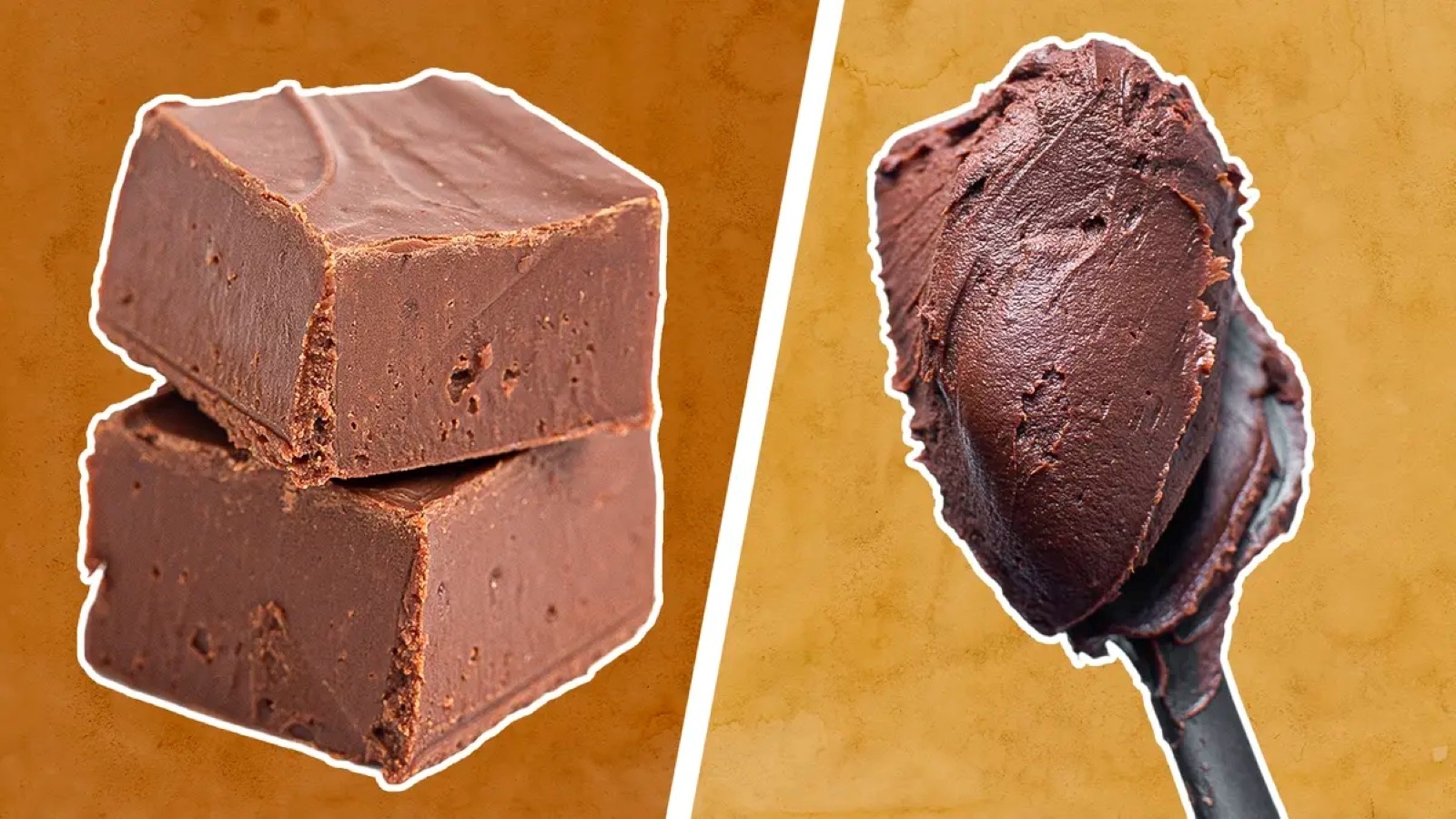
Hot Fudge vs. Ganache: Your Guide to Sweet Dessert Sauces
Few things elevate a dessert quite like a luscious, warm chocolate sauce. Whether drizzled generously over a scoop of vanilla ice cream or lovingly spread as a cake frosting, chocolate sauces are the unsung heroes of the sweet world. But when you delve into the realm of rich, melted chocolate, two stars often emerge: classic
hot fudge sauce and elegant chocolate ganache. While both bring chocolatey bliss to the table, they are distinct in their composition, texture, and ideal applications. Understanding these differences is key to mastering your dessert game and choosing the perfect accompaniment for any sweet creation. Let's melt away the confusion and guide you through the delicious nuances of these beloved sweet sauces.
The Allure of Homemade Hot Fudge Sauce
Imagine a thick, glossy, and intensely chocolatey topping that transforms an ordinary bowl of ice cream into an extraordinary indulgence. That's the magic of homemade
hot fudge sauce. For many, the idea of making it from scratch seems daunting, but the truth is, a truly exceptional hot fudge can come together in as little as 5 to 10 minutes on your stovetop. This speed and simplicity defy its luxurious taste and texture, making it a culinary secret weapon for busy home bakers and dessert enthusiasts alike.
Why bother with homemade when store shelves are stocked? The difference is night and day. Homemade hot fudge boasts a freshness and depth of flavor that mass-produced versions simply cannot replicate. You control the quality of ingredients, ensuring a richer chocolate profile and a smoother, more decadent consistency. Forget thin, overly sweet syrups; a good homemade hot fudge is gooey, caramel-like, and wonderfully thick, coating spoons and sundaes in a velvety embrace. It’s not just for ice cream, either. Consider it a dip for fresh fruit, a topping for brownies and cheesecakes, or even, dare we say, a sinful spoonful enjoyed on its own. For more on just how quick and superior homemade hot fudge can be, check out our insights on
Minute Hot Fudge: Better Than Store-Bought & Delicious.
Hot Fudge vs. Ganache: Decoding the Differences
While both hot fudge and ganache are glorious chocolate concoctions, understanding their fundamental distinctions is crucial for their optimal use. At their core, both utilize chocolate and cream, but the proportions, additional ingredients, and resulting textures set them on different culinary paths.
*
Ingredients & Sweetness:
*
Hot Fudge Sauce: Typically involves a more complex blend of ingredients beyond just chocolate and cream. It often includes sugar (granulated or brown), butter, cocoa powder (for extra chocolate depth), vanilla extract, salt, and crucially, light corn syrup. The presence of additional sugar makes hot fudge inherently sweeter than most ganaches.
*
Ganache: Is elegantly simple, traditionally just two ingredients: chocolate and heavy cream. While some recipes might add a touch of butter or a spirit for flavor, the core remains minimalist. This simplicity often results in a less sweet, more intensely chocolate-forward flavor profile, especially when made with high-cacao chocolate.
*
Consistency & Texture:
*
Hot Fudge Sauce: Is designed to be a soft, smooth, and syrupy sauce. When warm, it's wonderfully pourable and gooey, reminiscent of a melted caramel sauce. As it cools, it thickens considerably into a rich, almost spreadable consistency, but it remains soft enough to easily reheat. It retains a glossy sheen and a silky mouthfeel.
*
Ganache: Its consistency is highly dependent on the chocolate-to-cream ratio. A higher chocolate content results in a firmer ganache, suitable for truffles or firm fillings. A more balanced ratio creates a luscious pourable glaze when warm, which then sets to a much firmer, sliceable texture when fully cooled. Unlike hot fudge, a cooled ganache can be whipped into a frosting-like consistency, or even become firm enough to be cut into squares. It’s less about a "drip" and more about a "set."
*
Best Uses:
*
Hot Fudge Sauce: Excels as a warm topping for ice cream, sundaes, and puddings. Its soft, flowing nature makes it ideal for drizzling over desserts where you want a gooey, melted chocolate experience. It's too soft and liquid to be a structural frosting.
*
Ganache: Is incredibly versatile. A thinner ganache can be a glaze for cakes and pastries, setting into a beautiful, shiny finish. A thicker ganache can be piped as a rich frosting, used as a filling for tarts and pastries, or even rolled into decadent truffles. Its ability to firm up makes it perfect for applications requiring structure. Think of a chocolate layer cake with a smooth ganache frosting – something hot fudge couldn't achieve.
Crafting the Perfect Hot Fudge Sauce: Key Ingredients & Techniques
The secret to a truly outstanding
hot fudge sauce lies in understanding each ingredient's role and following a few simple steps. Forget complicated double boilers; a medium saucepan is all you need for this culinary marvel.
1.
Quality Chocolate is Paramount: Don't underestimate the power of good chocolate. While chocolate chips can work in a pinch, many professional bakers swear by chopping up high-quality baking bars, such as Ghirardelli semi-sweet or another premium brand. Baking bars often have a better melt and a richer, more nuanced flavor profile than standard chocolate chips. The higher cacao percentage in quality chocolate will give your fudge a deeper, more sophisticated taste.
2.
Sweetness Control: Most recipes call for granulated white sugar, but some might experiment with brown sugar for a hint of caramel notes. The key is balance. Many traditional recipes use a lot of sugar, but reducing it slightly allows the true chocolate flavor to shine through, rather than being masked by excessive sweetness. Six tablespoons of sugar can be sufficient to sweeten without overpowering the chocolate.
3.
The Role of Light Corn Syrup: This is an ingredient that sometimes raises eyebrows, but it plays a vital role in achieving that perfect hot fudge texture. Corn syrup is a candy-making workhorse, preventing sugar crystallization which ensures your sauce remains silky-smooth and free of graininess. Its high viscosity also contributes to the sauce's desirable syrupy, glossy, and soft consistency. Without it, you risk a sauce that becomes gritty or too firm upon cooling. For a deeper dive into how ingredients contribute to that perfect texture, explore
Silky Smooth Hot Fudge: The Science Behind Its Perfect Texture.
4.
Essential Supporting Cast:
*
Heavy Cream: Provides richness and forms the base with chocolate.
*
Cocoa Powder: Enhances the chocolate flavor, adding depth and intensity.
*
Salt: A crucial balancer, it cuts through the sweetness and brightens the chocolate notes.
*
Vanilla Extract: Adds a warm, aromatic finish.
*
Butter: Stirred in at the end, it contributes to the sauce's glossy sheen and luxurious mouthfeel.
The Simple Method: Combine all ingredients except butter and vanilla in a saucepan over medium heat. Whisk continuously as the chocolate melts and the mixture comes together. Let it gently boil for a few minutes – this helps thicken it. Remove from heat, then stir in the vanilla extract and butter until fully incorporated and melted. That's it! Your homemade
hot fudge sauce is ready. Remember that it thickens considerably as it cools, but it's easily reheated gently on the stove or in the microwave to regain its pourable, warm consistency.
Beyond the Spoon: Creative Ways to Enjoy Your Sweet Sauces
While a classic ice cream sundae is the quintessential home for
hot fudge sauce, its versatility extends far beyond. Drizzle it warm over pancakes or waffles for a decadent breakfast. Use it as a filling for cupcakes or as a dipping sauce for churros, pretzels, or even potato chips (don't knock it till you try it!). Stir a spoonful into your coffee or hot chocolate for an extra layer of chocolatey richness, or swirl it into milkshakes for an ultimate treat.
Ganache, with its ability to set, opens up even more creative avenues. Beyond being a sophisticated cake frosting or glaze, a firmer ganache makes an excellent filling for sandwich cookies, a base for handmade truffles, or a rich tart filling. A slightly thinner ganache can be poured over pastries as a mirror glaze, or even used to create stunning "drip" effects on celebration cakes. Both sauces, despite their differences, empower you to elevate everyday desserts into extraordinary experiences.
In conclusion, both
hot fudge sauce and chocolate ganache stand as pillars in the world of sweet dessert sauces, each with its unique charm and purpose. Hot fudge offers a soft, sweet, and gooey embrace perfect for warm applications and drizzling, while ganache provides a sophisticated, adaptable chocolate experience that can be poured, spread, or firmed into luscious fillings and frostings. Understanding their distinct characteristics allows you to harness their full potential, ensuring you always pick the perfect chocolate companion for your sweet creations. So, go ahead, pick your chocolate adventure, and maybe even try making your own homemade hot fudge sauce – your taste buds will thank you!